Fewer dashboards. Less paperwork.

We connect AI to the systems you already have. You ask instead of search, and spend your time on the actual work.

Example

Which projects are over budget right now?

Two of them.

Project 2417 is 12% over on hours, mostly installation last week.

Project 2433 is missing a supplier invoice, so its number is probably too low.

Draft email to the project manager is ready. Waiting for approval.

What we have deleted elsewhere.

Not a demo. This runs today, at real companies. Red is the routine that went away, black is what does the job now.

Running

Contractor, floors and surfaces

@@ before / now @@

  • Removed: Cash flow was rebuilt in Excel every week.
  • Removed: The project overview lived in two people's heads and estimates in a separate tool.
  • Removed: Hours and materials were logged late.
  • Now: Projects, crew planning, estimates, offer letters and cash flow are connected and synced with the accounting system every half hour.
  • Now: The field crew sends the Friday report from their phones, and delivery notes and labels are read from a photo.
  • Now: The manager asks which projects are below target margin and gets the answer right away.
Running

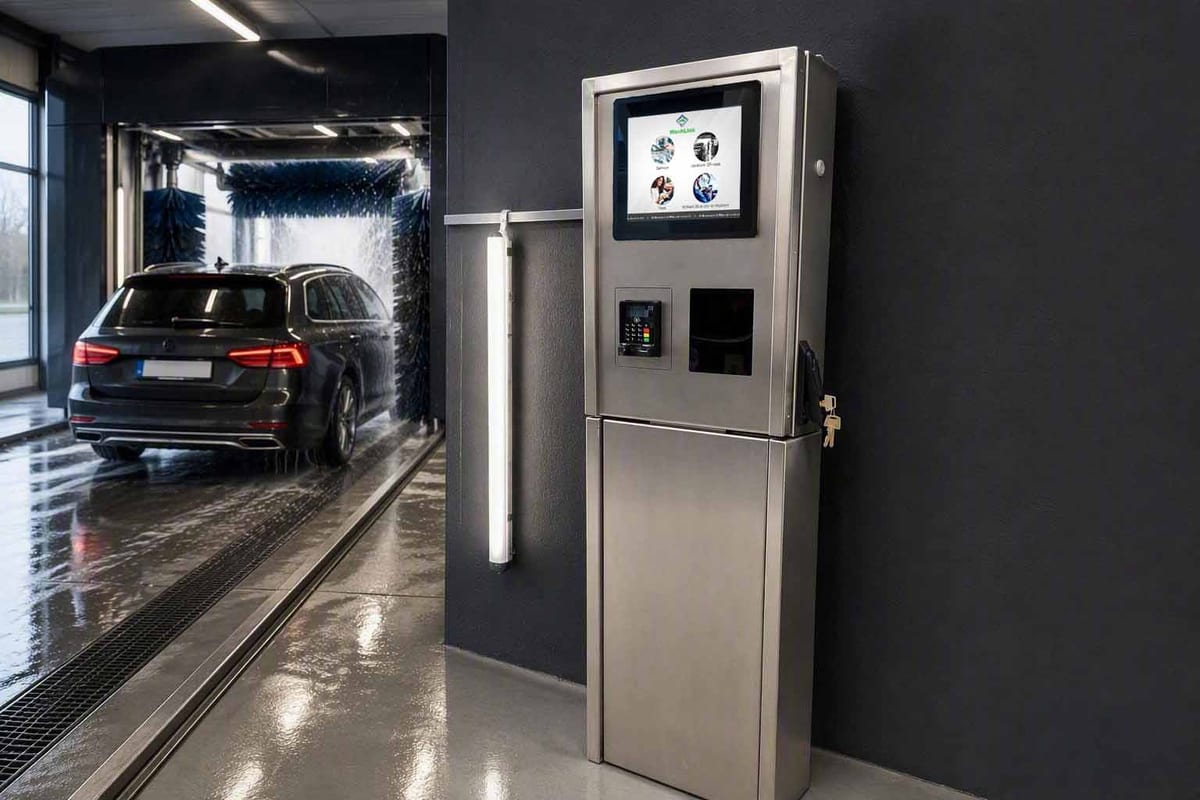
Car wash chain, many sites

@@ before / now @@

  • Removed: The morning check of every site, customer support and invoicing data for business customers were done by hand, across several dashboards.
  • Now: The AI is connected to the operations and accounting systems, checks every site each morning and lists what's down.
  • Now: When a customer calls, it finds their card by number plate.
  • Now: Invoicing data per business customer is ready on the first of the month, reconciled against the reports, and a person reviews it and sends the invoices.

Running

Web shops, our own

@@ before / now @@

  • Removed: Thousands of products, prices and stock levels came in from suppliers.
  • Removed: The ads needed adjusting every week.
  • Now: Supplier sync, price monitoring and ad tuning run on their own, and we get a weekly summary of what needs a decision.
  • Now: We run it on our own stores before we recommend it to anyone else.

Worked out by the customer

A contractor with 15 employees ran the numbers themselves, conservatively: one hour saved per employee per day.

saved per employee per day
1 hour
saved per employee per day
of time freed up per year
~2 FTEs
of time freed up per year
to pay back the investment
3 months
to pay back the investment

The customer's own estimate before starting. Not a guarantee.

What we build.

Things we have put into production.

Notes from the workshop